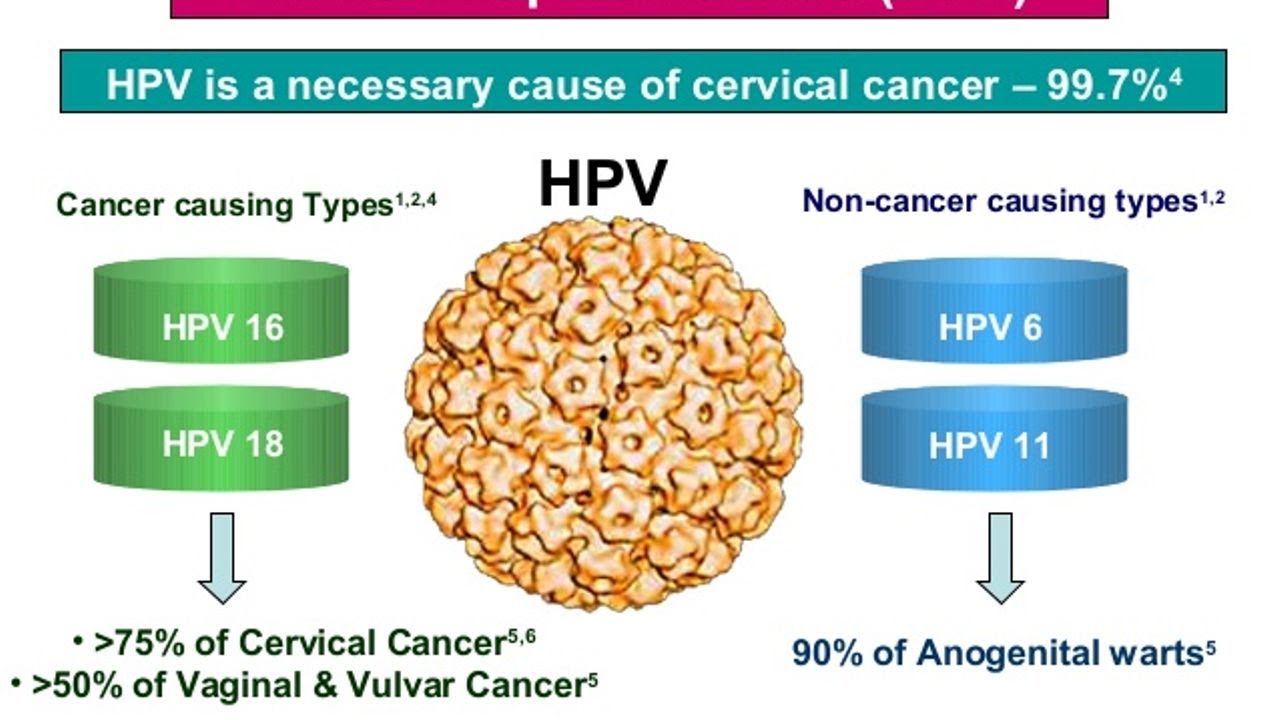
What Causes Cervical Cancer Besides Hpv - Cervical Cancer: Causes, Symptoms & HPV Vaccine : Some very rare types of cervical cancer are not caused by hpv.. Don't smoke.if you don't smoke, don't start. See full list on mayoclinic.org "the issue—speaking on a much more technical level—is that hpv affects approximately 80% of the population and even though it is transmitted sexually, can be spread through skin. Nov 11, 2020 · symptoms of early stage cervical cancer may include: Ask your doctor whether an hpvvaccine is appropriate for you.
Connect with certified doctors online, 24 hours a day. Irregular blood spotting or light bleeding between periods in women of reproductive age; "the issue—speaking on a much more technical level—is that hpv affects approximately 80% of the population and even though it is transmitted sexually, can be spread through skin. Hpvis very common, and most people with the virus never develop cancer. These cancers are much less common than cervical cancer.
Human papillomavirus (HPV) and cervical cancer - YouTube from i.ytimg.com Connect with certified doctors online, 24 hours a day. Have routine pap tests.pap tests can detect precancerous conditions of the cervix, so they can be monitored or treated in order to prevent cervical cancer. See full list on mayoclinic.org Irregular blood spotting or light bleeding between periods in women of reproductive age; Having other stis — such as chlamydia, gonorrhea, syphilis and hiv/aids — increases your risk of hpv. Justanswer.com has been visited by 100k+ users in the past month Justanswer.com has been visited by 100k+ users in the past month In a small percentage of people, however, the virus survives for years, contributing to the process that causes some cervical cells to become cancer cells.
In a small percentage of people, however, the virus survives for years, contributing to the process that causes some cervical cells to become cancer cells.
Cervical cancer begins when healthy cells in the cervix develop changes (mutations) in their dna. When exposed to hpv, the body's immune system typically prevents the virus from doing harm. Cancers in the back of the throat (oropharynx) traditionally have been caused by tobacco and alcohol, but recent studies 1 2 3 show that about 60% to 70% of cancers of the oropharynx may be linked to hpv. Ask your doctor about the hpv vaccine. Jul 10, 2014 · while the exact cause is unknown, factors that may increase your risk for cervical cancer include: Smoking.smoking is associated with squamous cell cervical cancer. Justanswer.com has been visited by 100k+ users in the past month See full list on mayoclinic.org Genes that help keep cell growth under control or make cells die at the right time are called tumor suppressor genes. Ask your doctor whether an hpvvaccine is appropriate for you. The accumulating abnormal cells form a mass (tumor). The mutations tell the cells to grow and multiply out of control, and they don't die. Vaginal bleeding after intercourse, between periods or after menopause 2.
See full list on mayoclinic.org Genes that help cells grow, divide, and stay alive are called oncogenes. Have routine pap tests.pap tests can detect precancerous conditions of the cervix, so they can be monitored or treated in order to prevent cervical cancer. See full list on mayoclinic.org Jul 10, 2014 · while the exact cause is unknown, factors that may increase your risk for cervical cancer include:
gardasil | The Gynecologist from www.rawstory.com Cervical cancer begins when healthy cells in the cervix develop changes (mutations) in their dna. Watery, bloody vaginal discharge that may be heavy and have a foul odor 3. Healthy cells grow and multiply at a set rate, eventually dying at a set time. Increased vaginal discharge, sometimes foul smelling. Jan 03, 2020 · some genes control when cells grow, divide, and die:·. There is not a suitable screening test for these types of cervical cancer. Nov 11, 2020 · symptoms of early stage cervical cancer may include: The greater your number of sexual partners — and the greater your partner's number of sexual partners — the greater your chance of acquiring hpv.
"the issue—speaking on a much more technical level—is that hpv affects approximately 80% of the population and even though it is transmitted sexually, can be spread through skin.
Some very rare types of cervical cancer are not caused by hpv. Don't smoke.if you don't smoke, don't start. You can reduce your risk of developing cervical cancer by having screening tests and receiving a vaccine that protects against hpvinfection. Genes that help keep cell growth under control or make cells die at the right time are called tumor suppressor genes. Jan 03, 2020 · some genes control when cells grow, divide, and die:·. Ask your doctor whether an hpvvaccine is appropriate for you. The greater your number of sexual partners — and the greater your partner's number of sexual partners — the greater your chance of acquiring hpv. Justanswer.com has been visited by 100k+ users in the past month To reduce your risk of cervical cancer: "the issue—speaking on a much more technical level—is that hpv affects approximately 80% of the population and even though it is transmitted sexually, can be spread through skin. It isn't clear what causes cervical cancer, but it's certain that hpv plays a role. Healthy cells grow and multiply at a set rate, eventually dying at a set time. Most medical organizations suggest beginning routine pap tests at age 21 and repeating them every few years.
Ask your doctor whether an hpvvaccine is appropriate for you. You can reduce your risk of developing cervical cancer by having screening tests and receiving a vaccine that protects against hpvinfection. In a small percentage of people, however, the virus survives for years, contributing to the process that causes some cervical cells to become cancer cells. Genes that help cells grow, divide, and stay alive are called oncogenes. To reduce your risk of cervical cancer:
Cervical Cancer Risk Factors | Cervical Cancer Symptoms ... from www.check4cancer.com Some very rare types of cervical cancer are not caused by hpv. Risk factors for cervical cancer include: Genes that help cells grow, divide, and stay alive are called oncogenes. These cancers are much less common than cervical cancer. In a small percentage of people, however, the virus survives for years, contributing to the process that causes some cervical cells to become cancer cells. See full list on mayoclinic.org Cancers in the back of the throat (oropharynx) traditionally have been caused by tobacco and alcohol, but recent studies 1 2 3 show that about 60% to 70% of cancers of the oropharynx may be linked to hpv. Ask your doctor about the hpv vaccine.
Genes that help cells grow, divide, and stay alive are called oncogenes.
Healthy cells grow and multiply at a set rate, eventually dying at a set time. Smoking.smoking is associated with squamous cell cervical cancer. Hpvis very common, and most people with the virus never develop cancer. Have routine pap tests.pap tests can detect precancerous conditions of the cervix, so they can be monitored or treated in order to prevent cervical cancer. In a small percentage of people, however, the virus survives for years, contributing to the process that causes some cervical cells to become cancer cells. There is not a suitable screening test for these types of cervical cancer. If you do smoke, talk to your doctor about strategies to help you quit. You can reduce your risk of developing cervical cancer by having screening tests and receiving a vaccine that protects against hpvinfection. Irregular blood spotting or light bleeding between periods in women of reproductive age; A cell's dnacontains the instructions that tell a cell what to do. Cancer cells invade nearby tissues and can break off from a tumor to spread (metastasize) elsewhere in the body. Most medical organizations suggest beginning routine pap tests at age 21 and repeating them every few years. "the issue—speaking on a much more technical level—is that hpv affects approximately 80% of the population and even though it is transmitted sexually, can be spread through skin.